
Choosing the right CPAP mask is the single biggest factor in whether you stick with therapy or abandon it. At North Cair Medical Supplies in Parksville, our Registered Respiratory Therapists fit every CPAP mask in person because getting this choice right matters too much to leave to guesswork.
This guide walks you through the three main mask types, which one fits your sleep style, and why an in-person fitting on Vancouver Island gives you an advantage over ordering online.
The Three Types of CPAP Masks
Full Face Masks cover both your nose and mouth. Best for mouth breathers, higher pressure settings, and patients with nasal congestion. Many of our Parksville patients who deal with seasonal allergies during Vancouver Island’s pollen season prefer full face masks.
Nasal Masks cover only the nose. The most popular type overall. Good balance of seal quality and comfort. Works well for patients who sleep on their back or side.
Nasal Pillow Masks sit at the entrance of the nostrils with a minimal frame. The lightest and least intrusive option. Ideal for patients who feel claustrophobic, read before bed, or wear glasses.
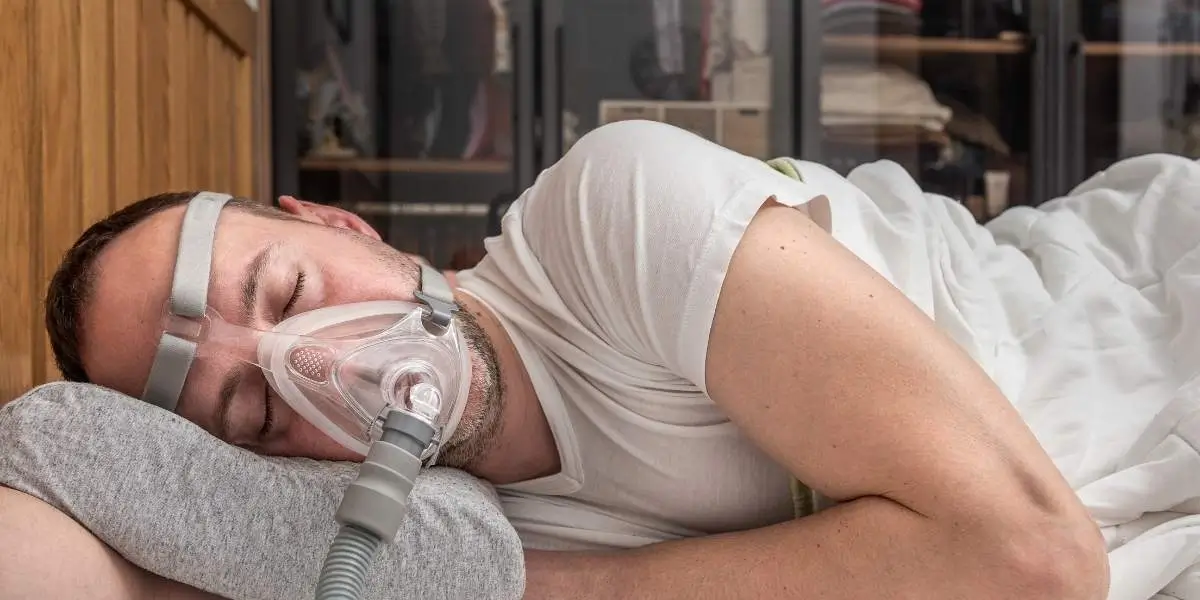
Which Mask Fits Your Sleep Style?
Back sleepers: Any mask type works. Full face masks are easiest to seal in this position.
Side sleepers: Nasal pillows or low-profile nasal masks. Full face masks can shift and leak when pressed against a pillow. Many active retirees in the Parksville and Qualicum Beach area who spend their days hiking and kayaking are side sleepers.
Mouth breathers: Full face mask or nasal mask with chin strap. If you open your mouth during sleep, air escapes and therapy effectiveness drops.
Stomach sleepers: Nasal pillow masks are the only practical option. The minimal frame avoids the compression issues that other masks create.

Why In-Person Fitting Matters
Online CPAP retailers offer size guides and measurement tools. But a size chart cannot account for facial bone structure, skin elasticity, or how your face changes when your jaw relaxes during sleep.
At our sleep apnea clinic in Parksville, our Registered Respiratory Therapists assess your facial structure, breathing pattern, and sleep position before recommending a mask. We have you try the mask on and lie down in our clinic so we can check the seal in your actual sleeping position.
This process takes 20 to 30 minutes and is included with every CPAP machines and masks from our Parksville clinic.
Common Mask Problems and How to Fix Them
Red marks or pressure sores. The mask is too tight. Loosen the straps until air just barely starts to leak, then tighten one click. Mask liners and gel pads can also help.
Air blowing into your eyes. The seal at the nose bridge is broken. Try a different mask size or adjust the forehead support. This is common with nasal masks that sit too high.
Dry, irritated nose. Increase your humidifier setting or try a heated CPAP tube. Vancouver Island’s mild climate helps, but heated homes in winter can still dry out your airways.
Mask slipping during the night. Often caused by facial oils or moisturizer. Wash your face before bed and clean the mask cushion daily with mild soap.
When to Try a Different Mask
Give any new mask at least two weeks before deciding it does not work. But if you have persistent issues after that adjustment period, it may be time to try a different style.
Signs you need a different mask:
- Consistent leak readings above 24 L/min on your machine data
- Skin breakdown despite proper fitting
- Inability to sleep for more than three hours
- Persistent claustrophobia that does not improve
Come back to North Cair for a re-fitting. There is no charge for mask adjustment consultations for our existing patients. We keep multiple mask brands and styles in stock at our Parksville location so you can try alternatives on the spot.
FAQ
How often should I replace my CPAP mask? Replace the cushion every 1 to 3 months and the full mask frame every 6 to 12 months. Signs of wear include stiffness, discolouration, and increased leak readings.
Can I switch mask types after starting CPAP? Yes. Many patients start with one type and switch as they learn their preferences. Our respiratory therapists can help you transition.
Are all CPAP masks compatible with all machines? Most modern masks use a universal connector that fits ResMed, Philips, and other major brands. We verify compatibility during your fitting.
Does extended health insurance cover CPAP masks in BC? Many extended health plans cover CPAP supplies, including replacement masks and cushions. Check with your provider for specifics. We can provide invoices formatted for insurance claims.
Find your perfect CPAP mask. North Cair Medical Supplies has been fitting CPAP masks for Vancouver Island patients since 2004. 4.9 stars (18 reviews). Book a mask fitting or call 250-586-7555.